Cottage Cheese Alfredo

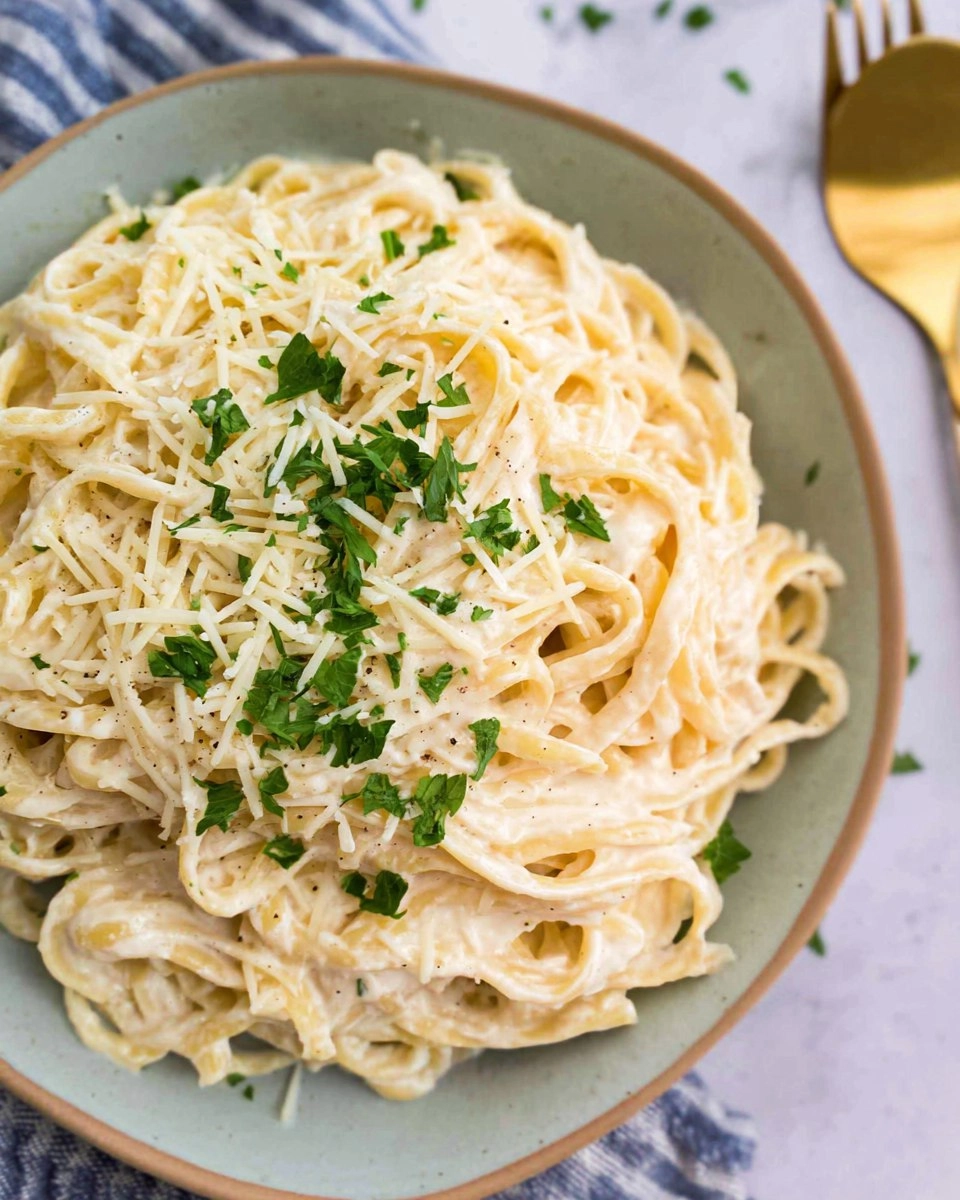
Picture this: a warm pot bubbling with creamy sauce, the rich aroma of garlic teasing your senses, and a nest of perfectly cooked pasta awaiting its delightful coating. Enter Cottage Cheese Alfredo, a dish that not only looks inviting but also wraps you in its comforting embrace like a favorite film or a cherished family recipe. The sauce is velvety with hints of tang, all thanks to the humble cottage cheese, which transforms into a luxurious base with just a quick blend.
Table of Contents
I remember the first time I made this recipe on a chilly winter evening — it was a spontaneous choice after a long day, and it turned into an unexpectedly uplifting meal. With the lightness of cottage cheese yet the familiar richness that the beloved Alfredo is known for, it’s simply irresistible. Perfect for weeknights but impressive enough for guests, this dish is a wonderful addition to your culinary repertoire. Trust me; you’ll want to share it with your loved ones. So grab your apron and let’s get started!
Why You’ll Love This Recipe
- Simple & Quick: Ready in just about 22 minutes, it’s perfect for weeknight dinners without the fuss.
- Irresistible Flavor: The sauce is creamy and flavorful, thanks to the blend of cottage cheese and Parmesan.
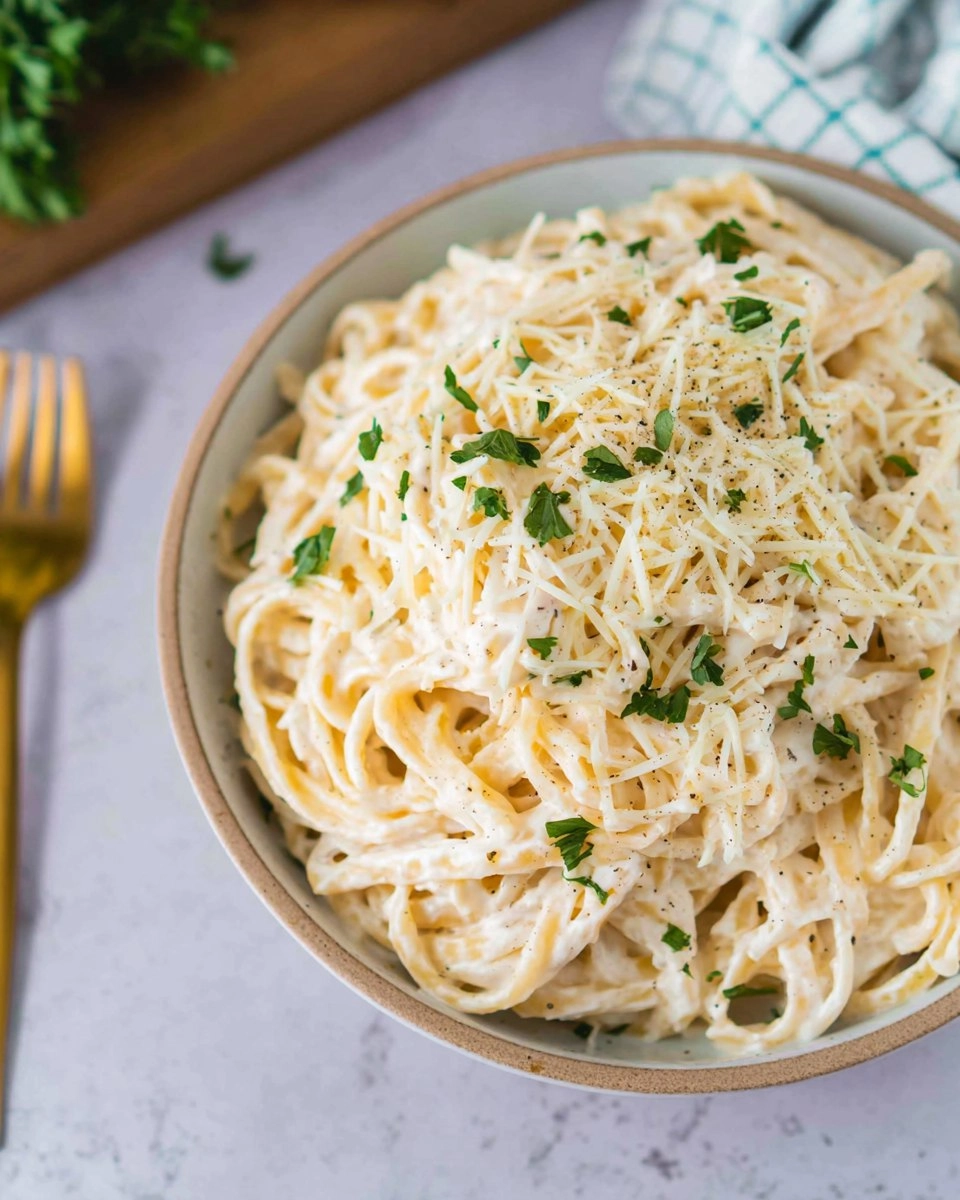
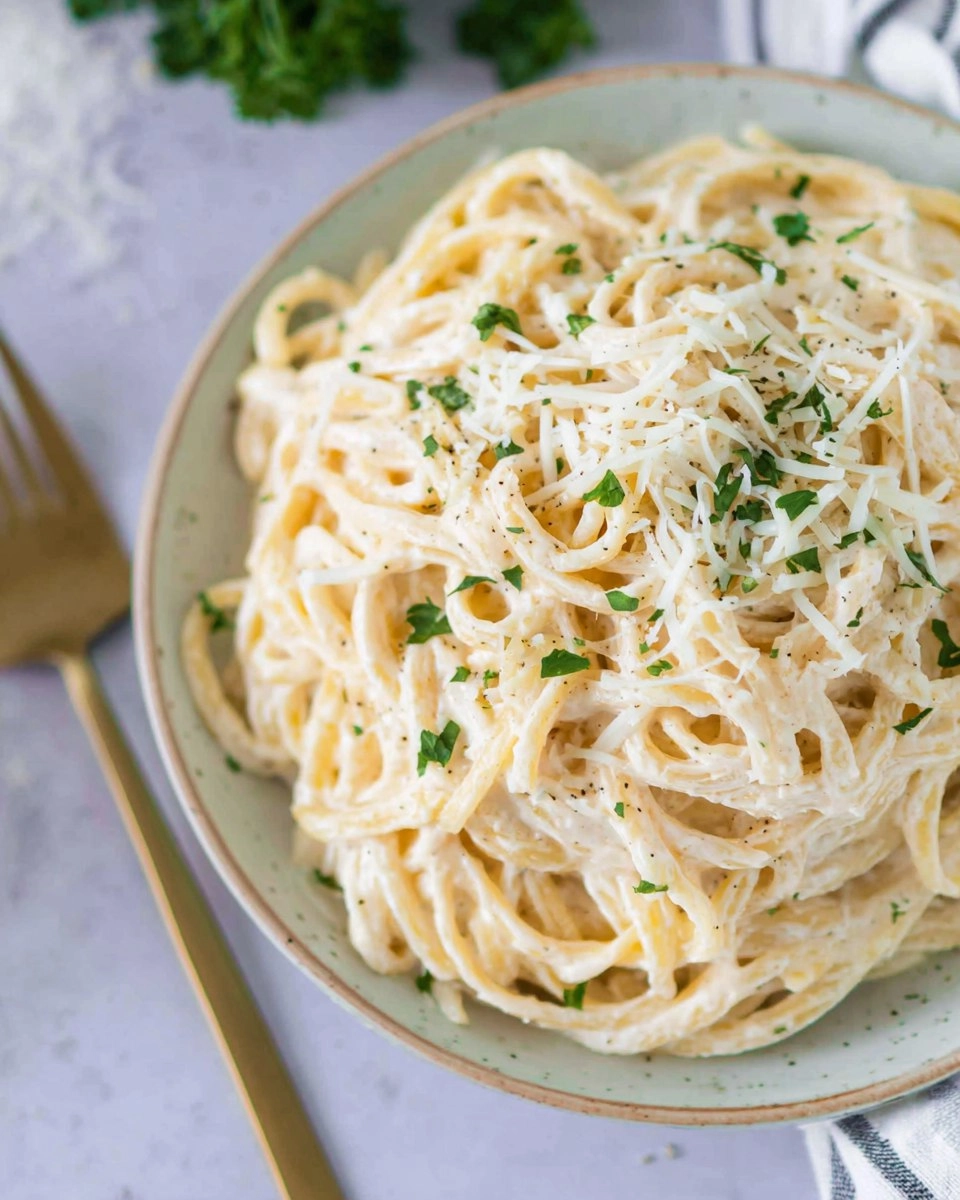
- Eye-Catching Appeal: The luscious, smooth sauce clings perfectly to the linguine, making it a treat for the eyes as well as the palate.
- Flexible Serving: Great for cozy family meals, date nights, or even a potluck dish that will impress.
- Diet-Friendly Options: A lighter spin on traditional Alfredo that’s high in protein and versatile for various dietary needs.
Ingredients You’ll Need
2 cups cottage cheese (4% fat): This forms the base of our sauce, giving it that creamy texture without feeling heavy. Look for a well-blended variety; if you’re looking for alternatives, low-fat cottage cheese can work, though it may change the texture slightly.
1/2 cup grated Parmesan cheese: Adds depth and richness to the sauce. Freshly grated will enhance the flavor—store-bought can work too, but it might be saltier.
1/4 cup half and half: Gives the sauce a nice creaminess. You could substitute with whole milk or a dairy-free alternative for a lighter version, but the texture will differ.
1 teaspoon garlic powder: This brings warmth and flavor to the sauce. Fresh garlic could be used, but you’ll need to adjust cooking times slightly since it can burn.
1 teaspoon onion powder: Complements the garlic and deepens the flavor profile. If you don’t have onion powder, finely minced fresh onion could work too.
1/2 teaspoon salt: Enhances all the flavors in the dish. Start with less if you’re sensitive to salt and adjust at the end.
1/2 teaspoon black pepper: Offers a gentle spice to balance the creaminess. Feel free to kick it up with fresh cracked pepper for a bolder touch!
1 pound linguine: A classic pasta that holds onto the sauce beautifully. You can swap it for your favorite pasta type — spaghetti or fettuccine also work well.
½ cup reserved pasta water: A secret ingredient! This starchy water binds it all together, helping sauce adhere to pasta.
2 tablespoons chopped fresh parsley: For garnish, adding a fresh bite that brightens the dish visually and in flavor. Basil or arugula could be a unique twist!
Extra grated Parmesan for serving: A must for those who can’t get enough cheesy goodness!
How to Make Cottage Cheese Alfredo
Boil the Pasta: Start by filling a large pot with water and adding a generous pinch of salt; this is essential for flavor. Bring the water to a rolling boil and add the linguine. Cook according to package directions, stirring occasionally until it’s just past al dente—about 9-11 minutes. This slight softness helps the pasta soak up the sauce better. Once cooked, reserve about ½ cup of the starchy pasta water before draining the rest.
Blend the Alfredo Sauce: While the pasta is cooking, combine the cottage cheese, grated Parmesan, half and half, garlic powder, onion powder, salt, and black pepper in a high-powered blender. Blend until smooth—a good 30-60 seconds should do. If you can still see tiny specks or it feels too thick, keep blending until it reaches a silky consistency similar to yogurt.
Warm the Sauce: Pour the blended sauce into a large skillet over medium heat. Stir gently as it warms up; the parmesan should melt completely, creating a luscious sauce. Keep an eye on it to avoid boiling, as this can change the texture. If it thickens too much, add a splash of the reserved pasta water or a little more half and half to loosen it up.
Combine Pasta and Sauce: Once the linguine is ready, drain and transfer it straight into the skillet with the warm sauce. Toss everything together with tongs, ensuring every strand is coated. If the sauce feels overly thick, add pasta water a little at a time until you’ve achieved that dreamy, creamy consistency. This starchy water is a magical ingredient!
Serve: Taste the finished result and adjust seasoning, if needed. Stir in the chopped parsley for a fresh touch, and add extra Parmesan if you desire that cheesy finish. Serve immediately to maintain that silky texture—remember, the sauce thickens as it cools.
Storing & Reheating
To store any leftovers, let the Cottage Cheese Alfredo cool completely and then transfer it to an airtight container in the refrigerator for up to 3 days. If you’d like to freeze it, scoop the cooled dish into a freezer-safe container, where it will keep for about 3 months. When it’s time to enjoy again, reheating gently over low heat on the stovetop is best, adding a splash of half and half or pasta water to revive its creaminess. The texture might change slightly, but this will help refresh it!
Chef’s Helpful Tips
- Keep an eye on the pasta while cooking to avoid overcooking; you want it slightly underdone since it’ll finish cooking in the sauce.
- Blend the sauce until it’s completely smooth, as any lumps could detract from that silky mouthfeel you’re aiming for.
- If the sauce seems too thick when warmed, add pasta water a tablespoon at a time until you reach your desired consistency.
- Experiment with flavors! Add a pinch of red pepper flakes for heat or a squeeze of lemon juice for brightness.
- If you want to make this dish ahead of time, consider prepping the sauce and pasta separately, then combine them when you’re ready to serve.
- Fresh herbs like basil or a sprinkle of nutmeg can elevate the dish even further, bringing in additional layers of flavor.
The beauty of Cottage Cheese Alfredo lies in its simplicity and adaptability. You can enjoy this dish as a glorious solo treat or at gatherings—everyone will be asking for seconds! Experimenting with seasonal veggies, protein additions, or alternative pasta shapes can keep this recipe exciting throughout the year.
With its creamy charm and comforting flavors, it’s destined to become a go-to in your kitchen. Take your first spoonful, and enjoy every bite of this delightful, lighter version of classic Alfredo.
Recipe FAQs
Can I use different types of cheese?
Absolutely! While Parmesan offers a nice nutty flavor, you can mix it up with Pecorino Romano or even a sprinkle of mozzarella for extra gooeyness. Just remember to keep an eye on the saltiness since different cheeses have different salt levels.
What pasta works best with this Alfredo sauce?
Linguine is a favorite because it clings beautifully to the sauce, but feel free to use fettuccine or spaghetti if that’s what you have on hand. Brown rice or zucchini noodles can also be fun gluten-free alternatives!
How can I make this a vegan option?
To create a vegan version, swap the cottage cheese with blended silken tofu or a dairy-free cream cheese. Nutritional yeast can replace Parmesan for that savory flavor, and use plant-based half and half.
Can I add protein to this dish?
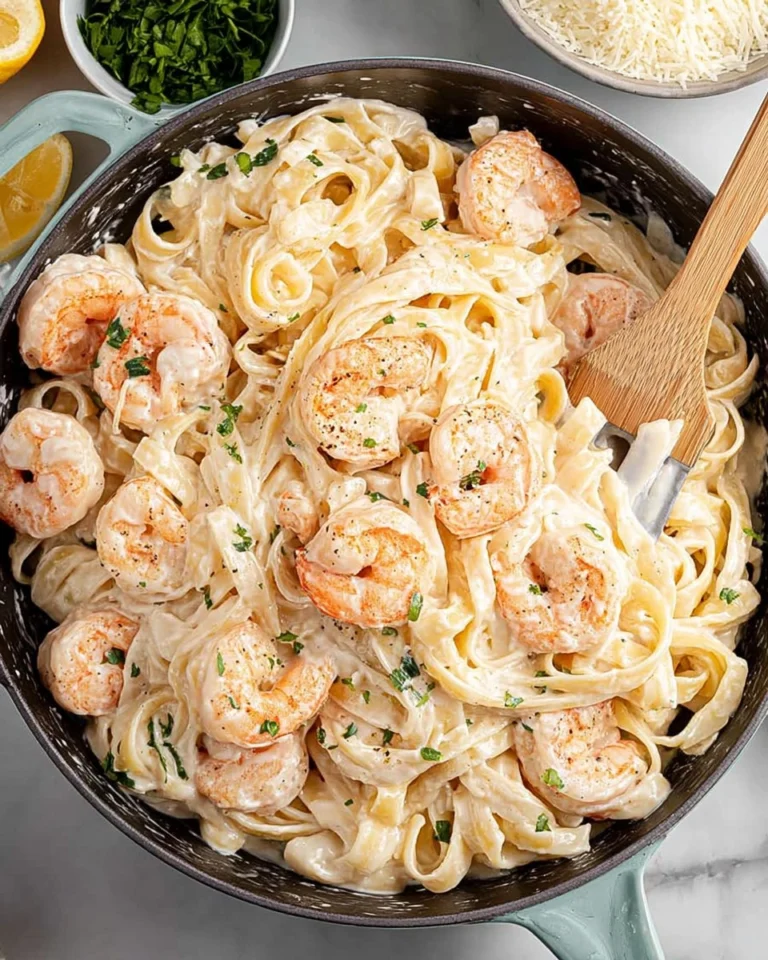
For a heartier meal, consider tossing in grilled chicken, shrimp, or even sautéed mushrooms for a touch of earthiness. Cook the protein separately and mix it in just before serving.
PrintMore Dinner Recipes
- One Pot Tuscan Sausage Gnocchi Soup
- Quinoa Vegetable Soup
- Roasted Brussels Sprouts Pasta
- Mediterranean Chicken Zucchini Bake
- Best Smoked Beef Tenderloin with Creamy Horseradish Sauce
Did You Enjoy Making This Recipe? Please rate this recipe with ⭐⭐⭐⭐⭐ or leave a comment.
📖 Recipe Card

Cottage Cheese Alfredo
- Prep Time: 10 minutes
- Cook Time: 12 minutes
- Total Time: 22 minutes
- Yield: 4 servings 1x
- Category: Main Course
- Method: Boiling and Blending
- Cuisine: Italian
Description
Satisfy your cravings with Cottage Cheese Alfredo, a creamy and flavorful dish that’s easy to prepare. This delightful meal combines the richness of cottage cheese, tangy Parmesan, and garlic, making it perfect for a comforting weeknight dinner or a special gathering with friends and family.
Ingredients
- 2 cups cottage cheese (4% fat)
- 1/2 cup grated Parmesan cheese
- 1/4 cup half and half
- 1 teaspoon garlic powder
- 1 teaspoon onion powder
- 1/2 teaspoon salt
- 1/2 teaspoon black pepper
- 1 pound linguine
- ½ cup reserved pasta water
- 2 tablespoons chopped fresh parsley
- Extra grated Parmesan for serving
Instructions
- Boil linguine in salted water until just past al dente, about 9-11 minutes, and reserve ½ cup of pasta water before draining.
- Blend cottage cheese, Parmesan, half and half, garlic powder, onion powder, salt, and black pepper until smooth.
- Warm the blended sauce in a skillet over medium heat until the Parmesan melts and the sauce is creamy.
- Toss the drained linguine with the warm sauce, adding reserved pasta water as needed for desired consistency.
- Serve with chopped parsley and extra Parmesan, adjusting seasoning to taste.
Notes
For a lighter version, swap half and half with whole milk or a dairy-free alternative.
To store leftovers, keep in an airtight container in the refrigerator for up to 3 days or freeze for up to 3 months.
Fresh herbs like basil or a squeeze of lemon juice can elevate flavors in the dish.
Nutrition
- Serving Size: 1 cup
- Calories: 350
- Sugar: 2g
- Sodium: 600mg
- Fat: 12g
- Saturated Fat: 5g
- Unsaturated Fat: 4g
- Trans Fat: 0g
- Carbohydrates: 42g
- Fiber: 2g
- Protein: 20g
- Cholesterol: 25mg